B.Eng. In Electrical Engineering

SRH University

Power the technologies of tomorrow with advanced skills in electromobility, energy systems, and robotics. This programme combines technical expertise with hands-on experience, preparing you to design, develop, and manage innovative electrical systems across research, industry, and sustainable engineering sectors.

Apply Now

Bachelor

Programme level

42 months

Study duration

11,860$

Cost per year

English

Study language

Programme info

  • Degree: Bachelor of Engineering (B.Eng.)
  • Model: full-time
  • Language: English
  • ECTS: 210
  • Info: without NC, accredited
  • Duration: 7 semesters/3.5 years
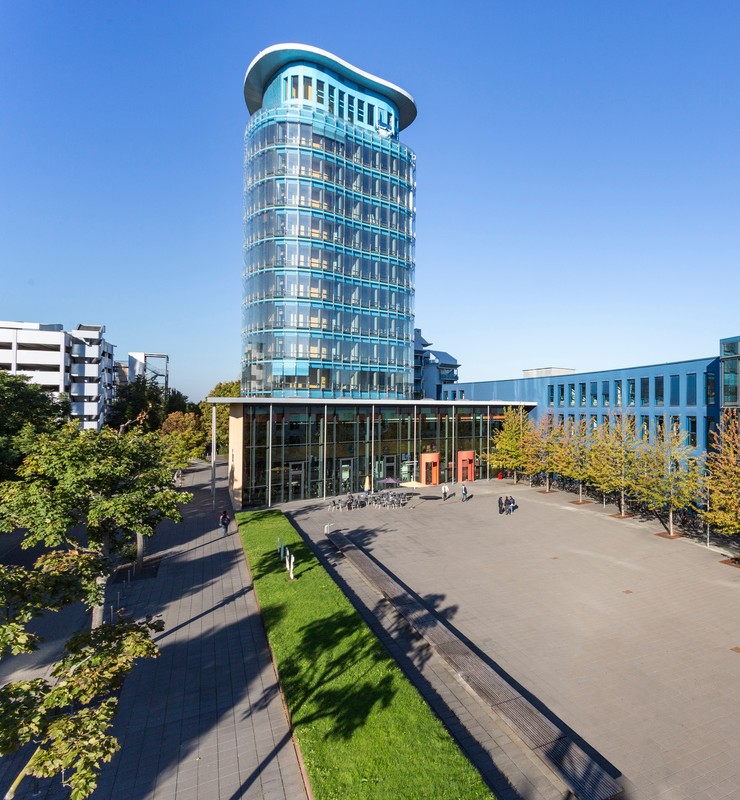
  • Location: Heidelberg

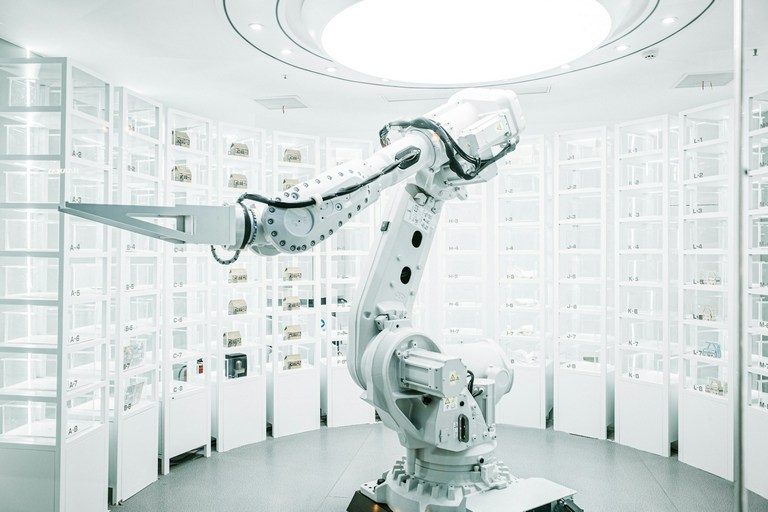
Electrical engineers play a vital role in the current technological transformation of mobility and energy technology. After graduating with a B.Eng. in Electrical Engineering from SRH University of Applied Sciences Heidelberg, you will have the skills to successfully plan, develop and maintain complex systems. You will also have the opportunity to specialise in areas of high social relevance: electromobility, energy technology and mobile robotics.


In addition to the necessary specialised knowledge, we will prepare you for your career entry in a targeted manner right from the start: In many exercises and interdisciplinary projects, you will solve practical problems independently and as part of a team. These tasks will prepare you for the challenges of the future. Gaining expertise in electromobility, energy technology, and mobile robotics will qualify you for engineering positions in technical industries and public institutions.

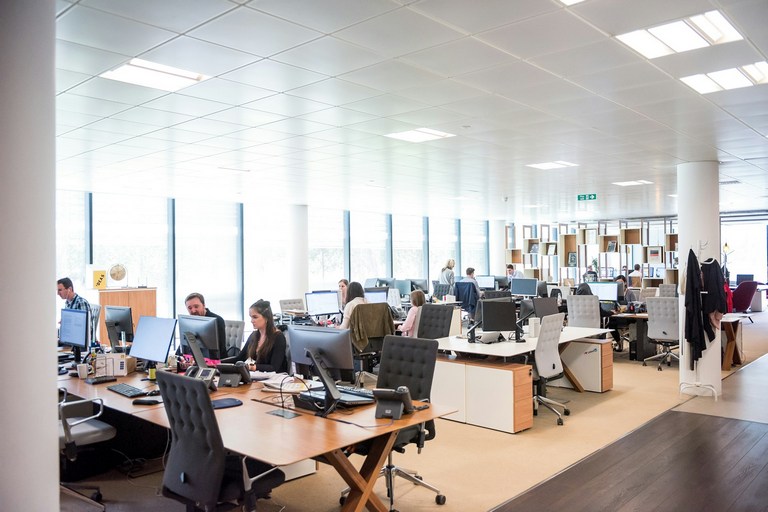
Fit for progress: As an electrical engineer, you are an innovator in the modern information society. Electrical engineers are specifically sought and hired in all industries for innovative tasks. As an electrical engineer, you will usually work on one large or several small subprojects. You will often be involved in the entire process, from planning and development to the design and manufacture of new devices, equipment, and systems in electronics and electrical engineering.


Your possible areas of responsibility

  • Research and development
  • Planning and project planning
  • Testing and quality assurance (test centres, e.g. TÜV)
  • Technical sales (sale of technical products)


In the coming years, electromobility will become another significant field of activity in which you, as an electrical engineer, will be in demand for project planning, development and realisation. Because we continuously adapt the course content to current developments, studying with us will give you excellent opportunities in this future-oriented labour market.


The Bachelor's programme in Electrical Engineering provides comprehensive theoretical and practical knowledge in various areas of electrical engineering and related disciplines. The programme begins with the fundamentals of mathematics and natural sciences, essential for understanding technical concepts. Students learn the fundamental principles of electrical engineering and the basics of computer science before deepening their knowledge in areas such as sensor/actuator technology and applying it in an engineering design project.


Business aspects are also part of the curriculum to promote a holistic understanding of technical decisions in a business context. Students gain practical experience through an internship in companies or research institutions. Other modules include Software Engineering, Embedded Systems and Systems Theory, and Control Engineering, which deal with the development of complex systems and their control.

1st Semester

  1. Mathematics and Natural Sciences I – 6 ECTS
  2. Computer Science & Programming – 6 ECTS
  3. Mathematics and Natural Sciences II – 6 ECTS
  4. Innovation & Engineering Ethics – 6 ECTS
  5. Electrical and Electronics Engineering I – 6 ECTS


2nd Semester

  1. Electrical and Electronics Engineering II – 6 ECTS
  2. Electronic Development – 6 ECTS
  3. Numerical Methods – 6 ECTS
  4. Engineering Design – 6 ECTS
  5. Analogue Electronics – 6 ECTS


3rd Semester

  1. Stochastic Systems – 6 ECTS
  2. Project Management – 6 ECTS
  3. Sensors & Actuators – 6 ECTS
  4. Production – 6 ECTS
  5. Networks and Communication – 6 ECTS


4th Semester

  1. Signals and Systems – 6 ECTS
  2. Business Administration – 6 ECTS
  3. Control Engineering – 6 ECTS
  4. Applied Digital Signal Processing – 6 ECTS
  5. Microcontrollers – 6 ECTS


5th Semester

  1. Power Electronics – 6 ECTS
  2. Embedded Systems – 6 ECTS
  3. Internet of Things – 6 ECTS
  4. Autonomous Systems and Robotics / Biomedical Sensors & Signal Processing – 6 ECTS
  5. Systems Integration & Safety / AI & Smart Health Systems – 6 ECTS


In this semester, you decide whether you'll choose the track “Autonomous and Intelligent Systems” or “Biomedical and Health Technologies”.


6th Semester

  1. Digital Technologies – 6 ECTS
  2. Practical Product Development – 6 ECTS
  3. Internship – 18 ECTS


7th Semester

  1. Emerging Technologies – 6 ECTS
  2. Parallel Computing and HPC – 6 ECTS
  3. Entrepreneurship for Engineers – 6 ECTS
  4. Thesis – 12 ECTS

To apply for the Bachelor's programme in Electrical Engineering, you will need to provide

  • General higher education or university of applied sciences entrance qualification. If you have not graduated yet, apply with existing transcripts.
  • Proof of English
  • Curriculum Vitae
  • Copy of your identity card or passport


English language requirements:

Accepted English Proficiency Certificates (valid within 2 years), with at least the indicated score:

  • IELTS Academic: 6.5
  • TOEFL iBT: 87 points
  • TOEIC Listening/Reading 785, Speaking 160, Writing 150
  • Duolingo Certificate: 110 points
  • Cambridge CAE or CPE (grade A, B, or C)
  • Pearson English Test Academic (PTE-A): 59 points
  • Linguaskill: 176 - 184 (CES) - all four skills required
Programme campus:

Heidelberg

University’s main campus:

SRH University

Berlin, Germany

Programme name:

B.Eng. In Electrical Engineering

Field of study:

Engineering & Applied Sciences, Mechanical & Electrical Engineering

Programme level:

Bachelor

Programme language:

English

Language requirements:

IELTS: 6.5

TOEFL: 87

Duration & semesters:

42 months / 7 semesters

Next admission date:

01 Apr 2026

Programme pricing

Study mode Workload Duration Cost per year Total cost
On-campus Full-time 42 months 11,860$ 41,512$
Can’t deiced on a programme?
Contact us now and let our experienced counsellors guide you through your study journey.
Whatsapp

Similar programmes

Germany
Level: Bachelor
Language: English
Duration: 36 months
Cost per year: 5,814$
Next admission: 01 Apr 2026
Location:
Bremen
Online
Germany
Level: Master
Language: English
Duration: 18 months
Cost per year: 15,116$
Next admission: 01 Apr 2026
Location:
Heidelberg
On-campus
Germany
Bachelor (BENG) Industrial Engineering & Management
International University of Applied Sciences
Level: Bachelor
Language: English
Duration: 36 months
Cost per year: 6,101$
Next admission: 01 Apr 2026
Location:
Berlin
On-campus
Germany
Level: Master
Language: English
Duration: 24 months
Cost per year: 16,163$
Next admission: 01 Apr 2026
Location:
Berlin
On-campus
Germany
Master (MEng) in Engineering Management
International University of Applied Sciences
Level: Master
Language: English
Duration: 12 months
Cost per year: 11,257$
Next admission: 01 Apr 2026
Location:
Berlin
On-campus
Germany
Level: Bachelor
Language: English
Duration: 42 months
Cost per year: 11,860$
Next admission: 01 Apr 2026
Location:
Heidelberg, Leipzig, Berlin
On-campus
Start your study abroad journey today
Discover programmes worldwide or connect with our team for personalized support.
Find programme
© 2025 NEXT MOVE LLC. All rights reserved.