30 Mar 2026
Best Cities in Germany for International Students
In 2026
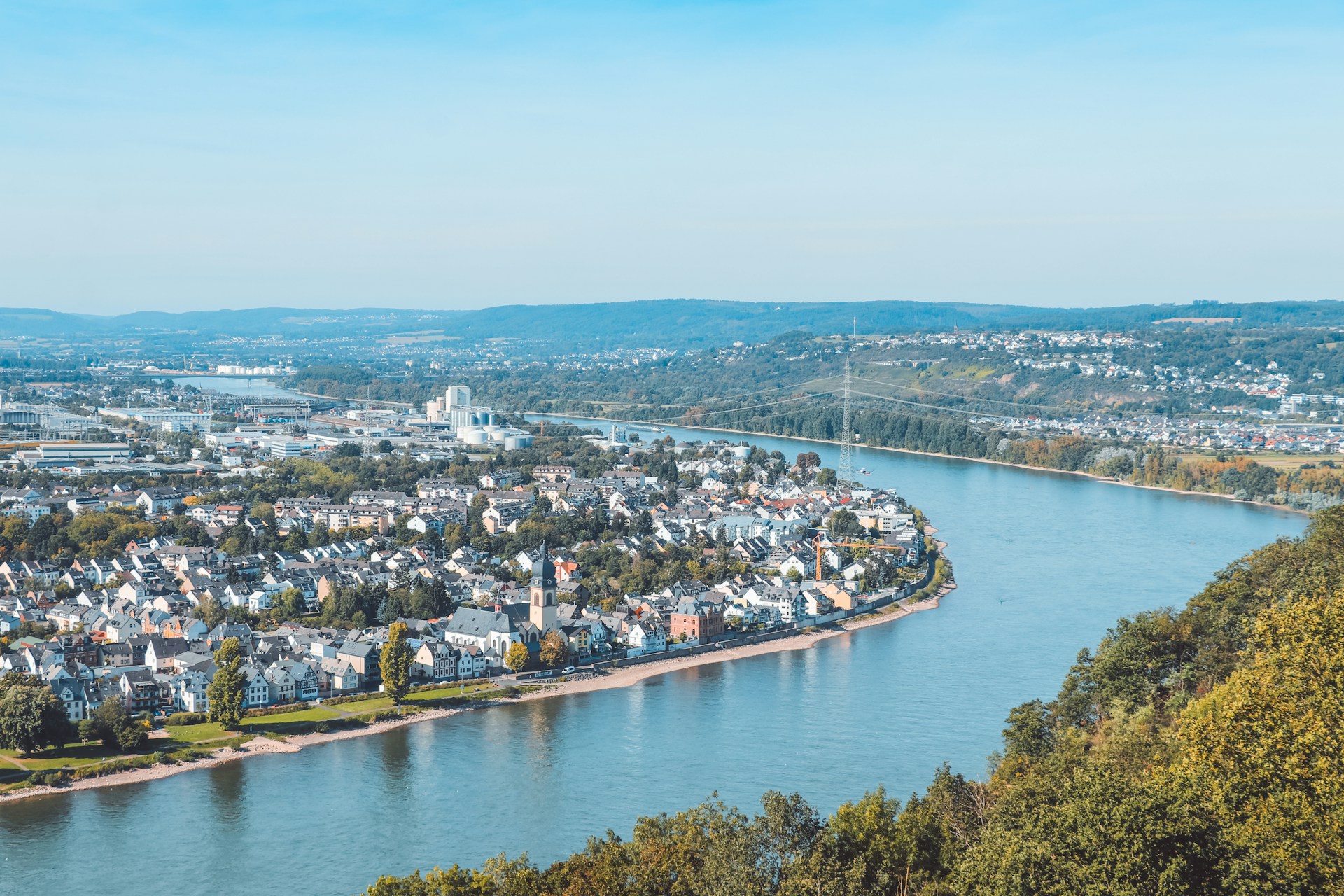
Choosing Germany is only the first decision. The second one is often just as important: Which city should you actually live in? Germany’s official city portal makes this clear from the start. It presents university cities from A for Aalen to Z for Zwickau and emphasizes that every German university town has its own special features. That may sound simple, but it changes everything. The best city in Germany is rarely the most famous one. It is the one that gives you the best balance between study quality, daily life, and financial realism.
If you want the broadest possible academic environment, Berlin is an obvious contender. The official Study in Germany city page says Berlin has more than 70 research facilities and about 40 higher education institutions, giving students an unusually wide range of academic and research opportunities. Berlin therefore suits students who want scale, variety, and a city where higher education is not just present, but deeply embedded into the urban environment. The trade-off, of course, is that large-city life usually comes with more competition for housing and a faster pace.
If you want prestige and dynamism, Munich stands out for a different reason. The official city page describes Munich as home to several prestigious higher education institutions and research institutes and as a city that is both modern and dynamic. That makes Munich attractive for ambitious students who want strong academic surroundings and a globally recognizable city name. But Germany’s official guidance also makes the broader cost pattern clear: students usually spend less in smaller towns than in large cities, and average student costs remain significant even before city-specific differences are added. Munich can be excellent, but it is not the place to choose with a weak budget plan.
Then there are cities that offer a different kind of advantage. Bremen, officially described as the green city in the north, may appeal to students who want a more balanced urban experience rather than the pressure and price tag of the largest German metros. Kaiserslautern, presented through the official portal with the theme of technology and innovation, points to another strong option: a smaller, more focused student city with a technical identity. The same official city ecosystem also shows the value of thinking beyond the usual names. Students who search only for Berlin or Munich often miss cities that may fit them better academically and financially.
Cost makes this even more important. DAAD’s official finance guidance says students in Germany need about €990 per month on average, including roughly €410 for rent, and it also stresses that students usually get by on less money in smaller towns than in large cities. That means city choice is not cosmetic. It changes the mathematics of your entire study plan. A city can be academically perfect and still be the wrong choice if it makes your budget unstable from the first semester.
So what are the best cities in Germany for international students in 2026? Berlin is strong for range and scale. Munich is strong for prestige and ambition. Bremen suggests balance. Kaiserslautern points to lower-cost, innovation-oriented living. And Germany’s official city network makes one thing very clear: there is no single best answer for everyone. The right city is the one where your education, budget, and daily life can all survive together.
We help you:
We focus on your future… not just admission.
Start Your Journey Today and don’t choose randomly.
Start Your Journey Today and apply now via PKHub.info, contact us directly on WhatsApp, or Explore programmes in Germany.
Let’s build your future step by step.



Please enter your details to connect with a PKHUB Advisor